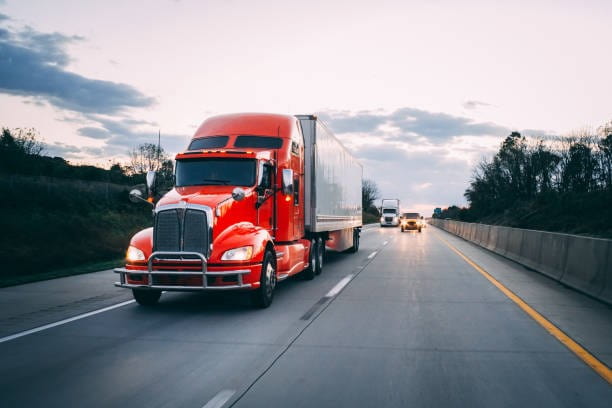
Full Truckload Shipping Service

What Is Full Truckload Shipping Service? Complete Guide for Shippers

Full truckload shipping service gives your freight a dedicated trailer and a direct route from pickup to delivery. It’s the fastest, most controlled way to move high‑volume, fragile, or time‑critical freight—without terminal handling. If you’re deciding between LTL, PTL, and FTL, this guide will help you choose the best option for your lane, timing, and budget.

What Is Full Truckload Shipping?

Full truckload (FTL) means your freight rides alone in the trailer. No cross‑docks. No co‑loading. That’s why it delivers the lowest handling risk and most predictable transit.

Typical FTL profile:


  • 20–30 pallets or near full utilization


  • Fragile/high‑value or must‑arrive freight


  • Tight pickup/delivery windows


  • Requires specific equipment (reefer/flatbed/conestoga)


Benefits of Dedicated Truckload Freight


  • Speed: Direct line haul, no terminal delays


  • Control: Appointments, seal control, driver instructions


  • Safety: No touchpoints beyond origin/destination


  • Capacity: Team service and specialized equipment as needed


When to Choose FTL Over LTL or PTL

Pick FTL when timing, control, or freight sensitivity outweighs cost savings from shared-capacity modes.

Ideal Shipment Sizes for FTL


  • 20–26 standard pallets (48×40)

  • 20-28 linear feet if freight is non‑stackable

  • Weight near trailer capacity or heavy, dense freight


How FTL Pricing Works

Rates depend on lane, distance, equipment, market capacity, fuel, and special requirements (e.g., driver assist, layover). Spot vs. contract pricing varies by seasonality and demand.
Moves in the past year
0 +
Customer satisfaction Rate
0 /5

Ready for a dedicated full truckload