Shipping Roofing Materials: Why Flatbeds Are the Smart Choice for Shingles & Barrel Clay Tiles

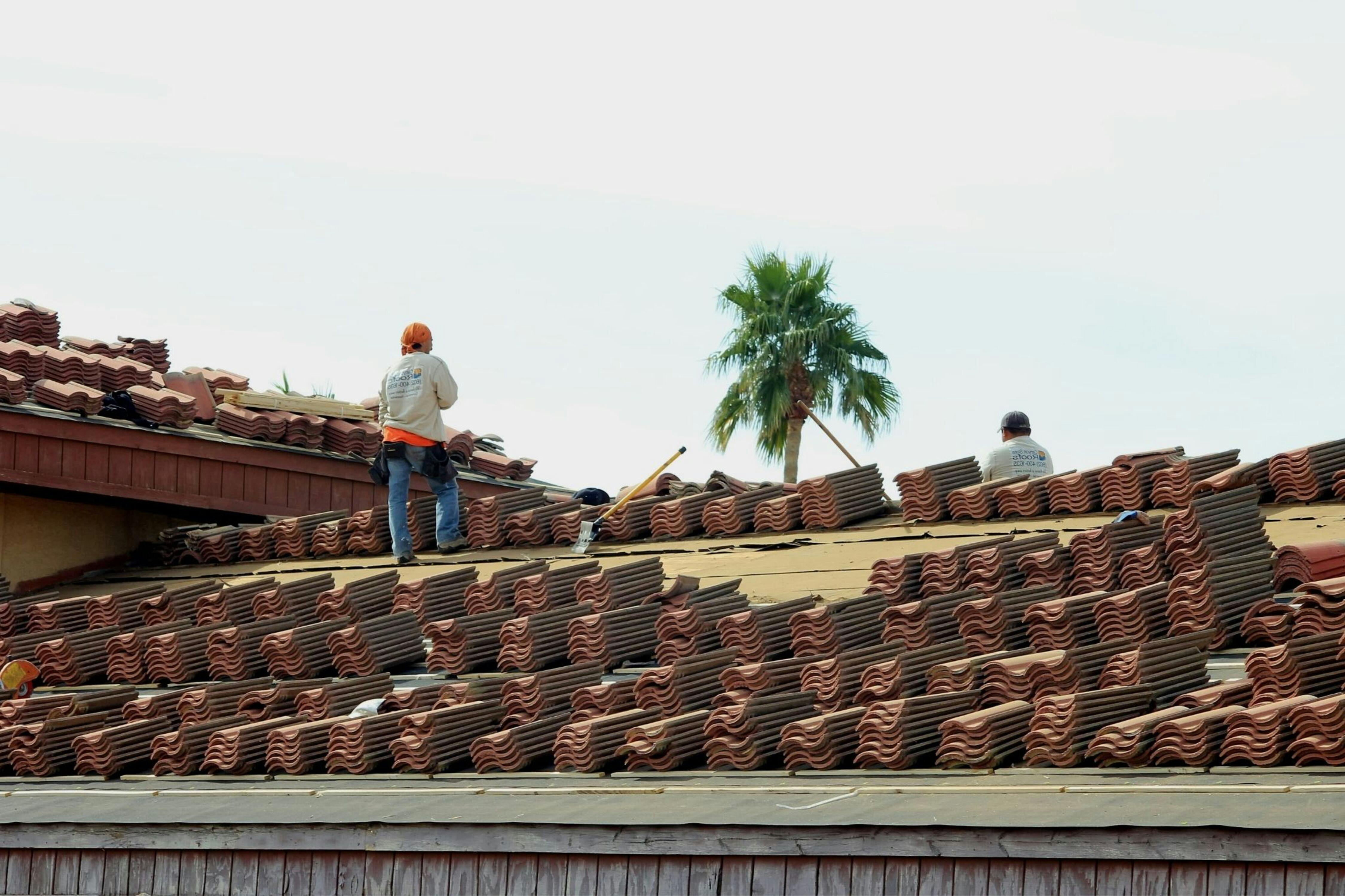
Shipping roofing materials requires planning, proper equipment, and securement to prevent damage during transit. Most contractors and suppliers prefer flatbed freight because shipping roofing materials like shingles, barrel clay tiles, and concrete tiles demands higher weight capacity and easier access at jobsites. Flatbeds allow fast side‑offloading with forklifts or cranes, making shipping roofing materials simpler, safer, and more efficient compared to enclosed trailers.
 
Roofing materials can ship as PTL

Why Roofing Ships Best on Flatbeds

1) Heavier Freight = Better on Open Decks
Roofing products carry significant weight relative to volume. Flatbeds and step‑decks handle higher payloads comfortably and allow drivers to position freight for balanced axle loads.

2) Easier Jobsite Unloading
Roofing crews commonly use:

  • Pallet jacks + forklifts/telehandlers
  • Boom trucks or cranes
    Flatbeds let you side, rear, or crane‑offload without the height and door restrictions of dry vans.

3) Faster Turnaround
With no dock required, drivers can stage next to the jobsite, and crews can unload directly—reducing detention risk and speeding up deliveries.

4) Tarping & Protection
Open‑deck carriers are prepared to tarp weather‑sensitive materials quickly. (More on tarping best practices below.)
Material‑Specific Notes

Asphalt Shingles

  • Packaging: typically in bundles stacked on pallets.
  • Sensitivity: edges can crush; moisture can damage packaging and reduce product integrity.
  • Tip: use top caps, corner boards, and tight stretch‑wrap; request tarps and avoid stacking pallets if crush risk is high.

Barrel Clay & Concrete Tiles

  • Packaging: often in crated or banded bundles on pallets.
  • Sensitivity: fragile (prone to chipping/cracking) + heavy.
  • Tip: Do not pyramid‑stack. Use dunnage, edge protectors, and anti‑slip mats. Consider Conestoga (sliding‑tarp) for added protection and cleaner handling.

Metal Roofing Panels & Accessories

  • Packaging: long bundles of panels, flashing, and accessories in cartons or crates.
  • Sensitivity: scratching, bending; wind abrasion under tarps.
  • Tip: block and brace long lengths; use felt or moving blankets under straps and tarps; verify overall length for legal routing.

Flatbed Equipment Options


  • Standard Flatbed (48’–53’)
    • Versatile, cost‑effective for most shingle and tile loads.


  • Step‑Deck (Drop Deck)
    • Useful for taller crated materials and when crane clearance or height is a concern.


  • Conestoga (Sliding‑Tarp System)
    • Flatbed efficiency with van‑like weather protection—ideal for fragile tiles or high‑value roofs.


  • Moffett/Princeton‑Equipped Flatbeds
    • Tractor with a piggyback forklift for self‑unloading when the jobsite lacks equipment (higher cost but fast and convenient).


Loading & Securement Best Practices

Pallet Layout & Weight Distribution

  • Center heavy pallets over the trailer deck; distribute evenly front‑to‑back and left‑to‑right.
  • Avoid concentrating weight in the nose. Ask for axle scale checks when available.
  • Keep the heaviest pallets on the bottom; avoid double‑stacking fragile tiles.

Dunnage & Protection

  • Use wood dunnage to keep pallets off the deck (prevent moisture wicking).
  • Add edge protectors under straps to prevent banding damage.
  • Place anti‑slip friction mats under heavy pallets where allowable.

Strapping & Tarping

  • Use the correct number of straps per pallet row; follow WLL (working load limit) requirements.
  • Tarp fully (8’ or lumber tarps) and use bungees or ropes to eliminate flapping.
  • Pad sharp edges with blankets/felt to avoid tarp rub‑through and damage to metal panels.

Jobsite Delivery Tips (to Prevent Delays & Fees)


  • Access & Surface: Confirm space for a 48’–53’ trailer, turning radius, and ground conditions (avoid soft ground).


  • Unloading Equipment: Who provides forklift/telehandler or crane? If none, consider Moffett service.


  • Delivery Window: Roofing crews often work early—request morning appointments and add a contact name/phone.


  • Weather Plan: If rain is expected, ensure waterproof tarping and have a covered staging area ready.


  • Safety & Signage: Clear the area of power lines/obstructions; mark drop zones before arrival.


Choosing LTL, Partial, or Full Truckload

LTL (Less‑Than‑Truckload)

  • Best for: 1–6 pallets of shingles or accessories.
  • Pros: Lower cost for small moves.
  • Cons: More cross‑dock handling → higher risk of edge crush, broken tiles, or moisture exposure; longer transit and appointment constraints.

Partial Truckload (Volume/Less‑Than‑Truckload TL)

  • Best for: 6–12 pallets; when LTL gets costly or risky.
  • Pros: Less handling than LTL, better care for fragile freight.
  • Cons: Availability varies; transit can be less predictable than dedicated TL.

Full Truckload (FTL)

  • Best for: 12–26 pallets, heavy tile shipments, or high‑value roofs.
  • Pros: One trailer, no transfers—fastest, cleanest, and safest; superior control over tarping and securement.
  • Cons: Higher minimum cost, but per‑pallet cost is often lower at volume.

Documentation, Claims & Compliance


  • BOL (Bill of Lading): List pallet counts, packaging (pallets/crates), and note “tarp required” or “protect from moisture” when applicable.


  • Inspection on Delivery: Document any tears in wrap, wet packaging, or broken tiles before signing the POD.


  • NMFC Class & Density: Ensure accurate classing based on packaging and density to avoid reclass fees.


  • Permits/Over‑Dimension: Extra‑long metal panels or specialty crates may require routing checks or permits—confirm dimensions when booking.


Cost‑Control Checklist


  • Consolidate multiple pallets into one TL when possible to lower per‑pallet cost.


  • Increase density (tighter pallet builds) to protect packaging and reduce class (for LTL).


  • Avoid peak construction season surcharges by booking early.


  • Provide clear jobsite info (equipment, hours, contacts) to prevent redeliveries and detention.


  • Use reusable edge protectors and pallet caps—small cost, big reduction in damages.


Get A Roofing Freight Transport Quote Now