Shipping Steel Products: Rods, Bars, Beams, Plate & More
How to choose LTL, Truckload, and Flatbed—and avoid costly mistakes
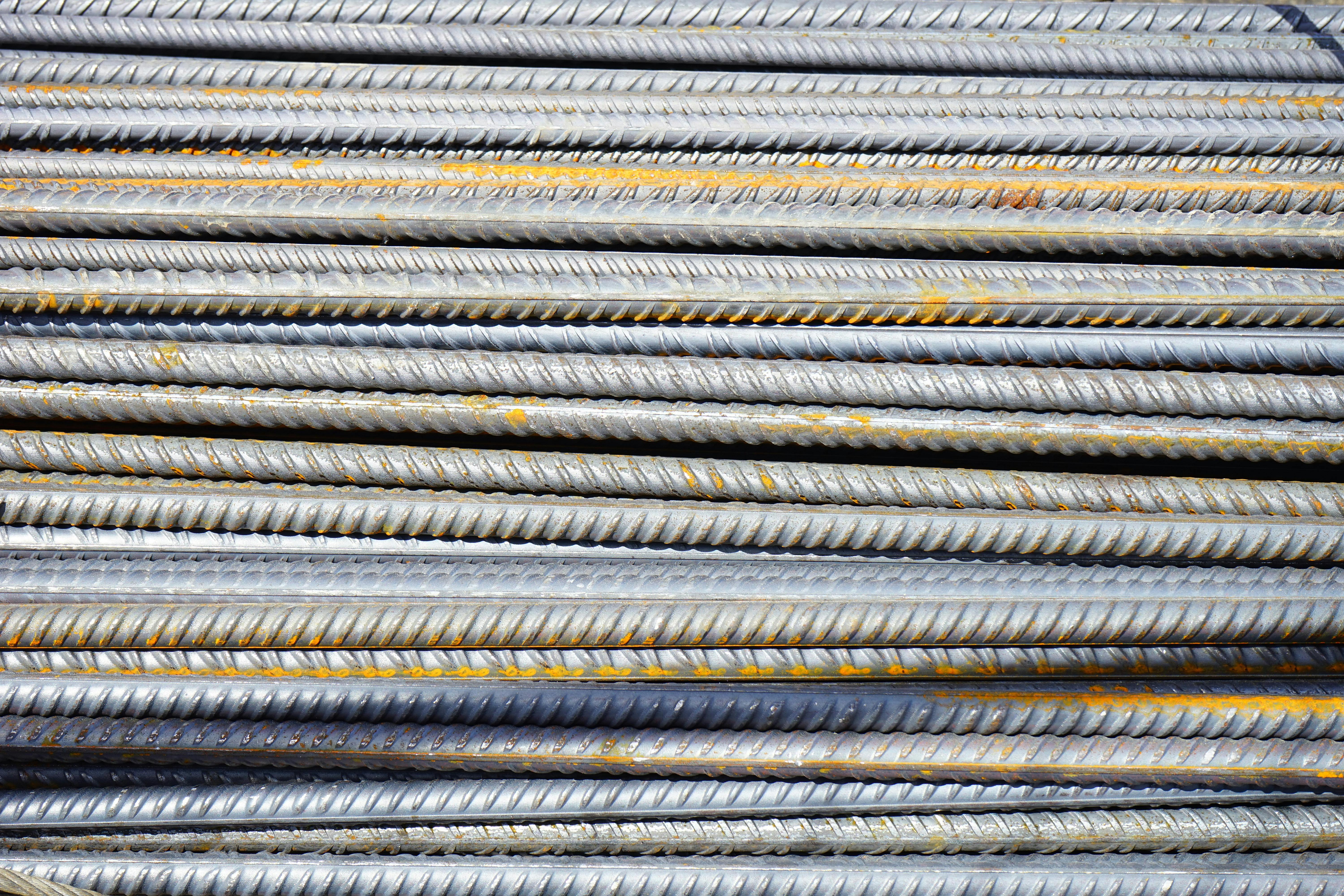
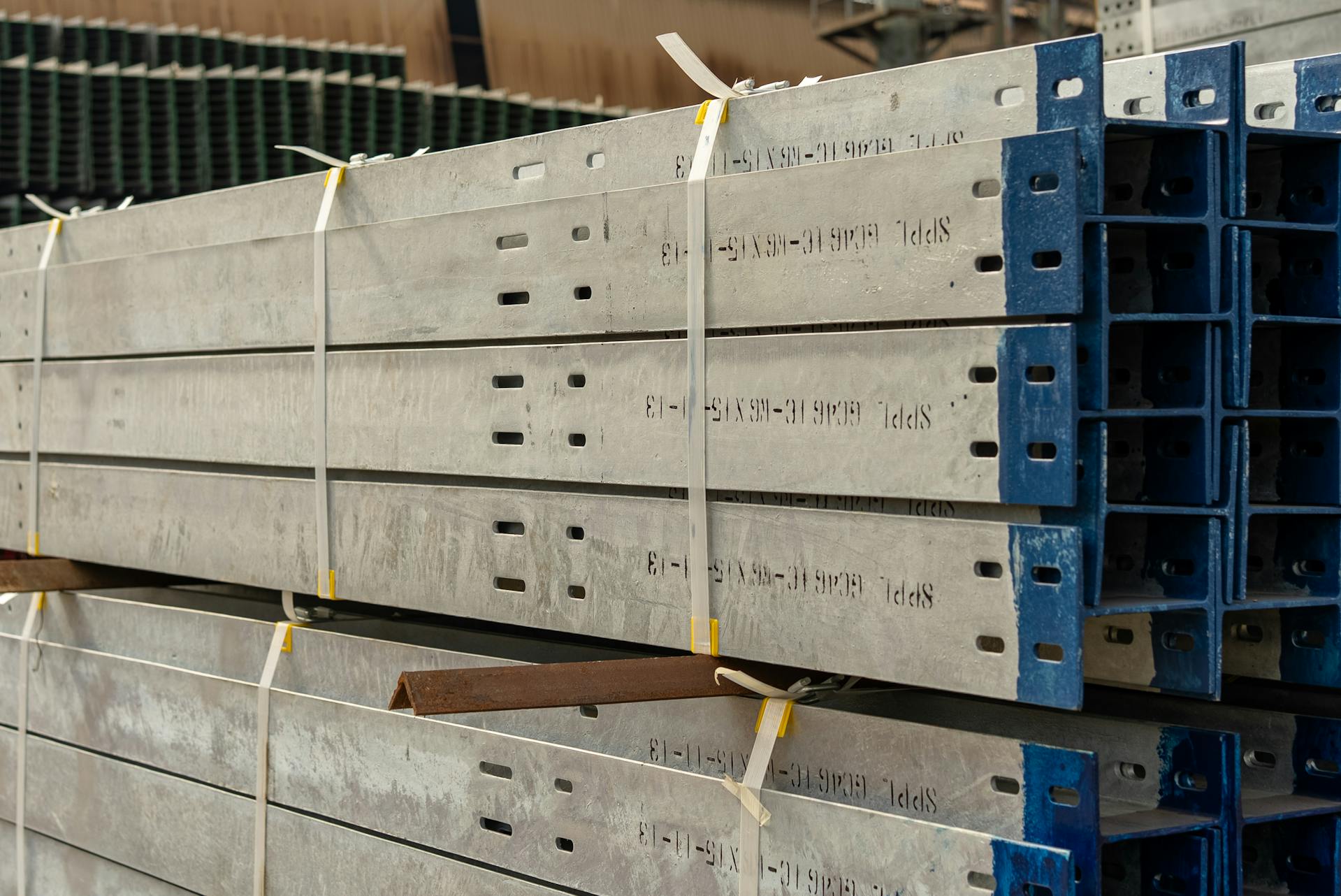
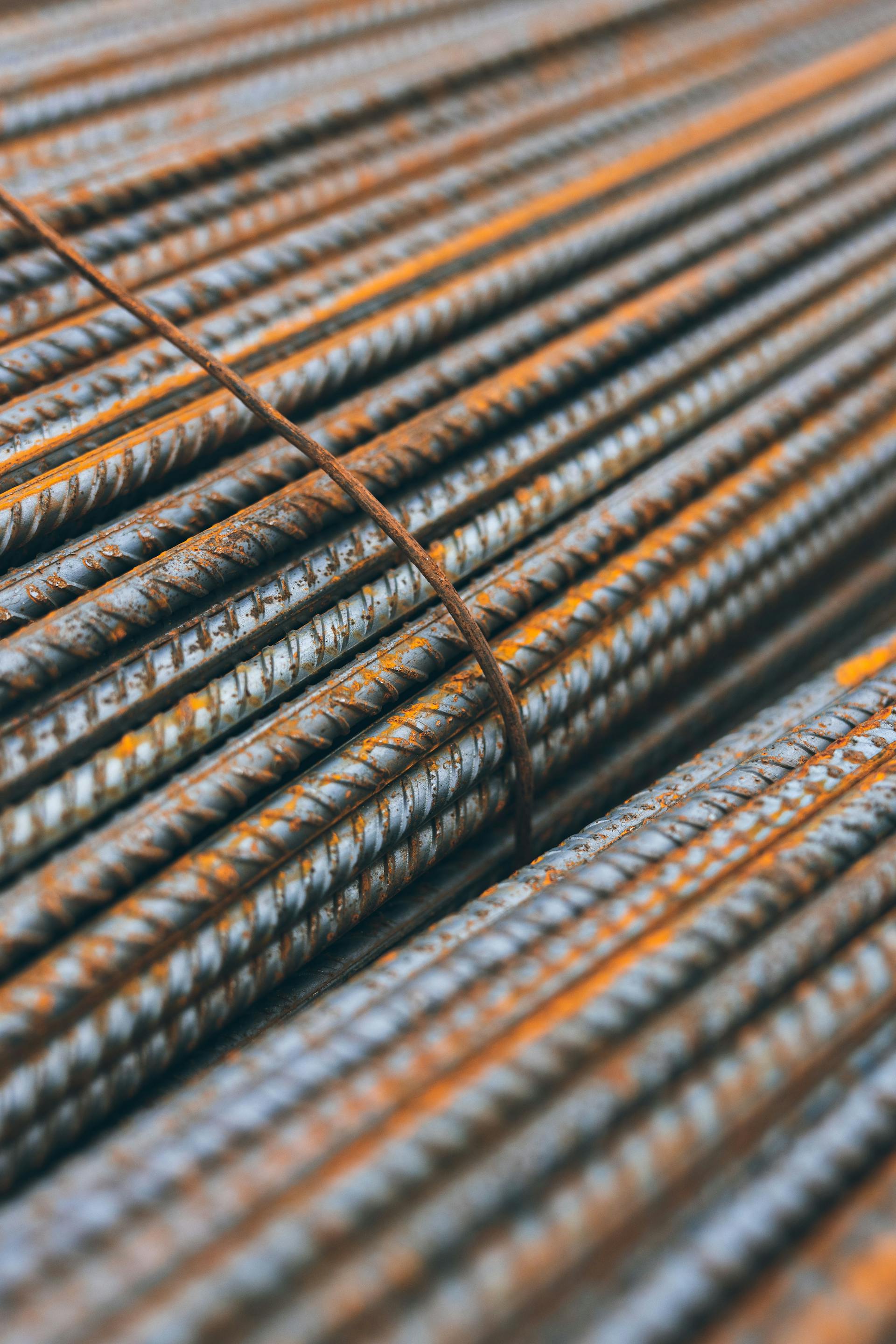
Steel moves the world. But moving steel safely and profitably takes planning, the right equipment, and a carrier who knows how to handle dense, heavy, and awkward loads. At Freight-Specialist, we ship steel rods, bars, beams, plate, pipe, tubing, rebar, and fabricated components nationwide via LTL, full truckload, and flatbed.
Securement with chains, straps, tarps, and edge protection
Watch‑outs:
Weather exposure without tarps
Confirm tarp size, number, and any special securement
Verify site access for long combinations
How To Protect Your Steel in Transit
Steel is strong, but still vulnerable to damage and corrosion.
These are some securement and protection tips:
Heavy‑duty straps, chains, coil racks, and chocks
Dunnage, blocking, and bracing to prevent shifting
Corner/edge protectors to avoid strap marks
Tarps and weatherproofing for exposed loads
VCI paper, wrap, or rust inhibitors
Clear labeling for bundles, heat numbers, and piece counts
Packaging Tips for Steel (Fewer Claims, Faster Loading)
Bundle tightly. Band rods and bars in uniform bundles.
Use dunnage. Keep product off the deck and protect edges.
Crate fabricated parts. Prevent abrasion and crush damage.
Keep it square. Stable, right‑sized pallets reduce tipping.
Protect surfaces. Use edge guards and wrap clean finishes.
Mark everything. Label piece counts, bundle IDs, and weights.
Cost Factors: What Drives Steel Shipping Rates?
Dimensions and density. Long, dense freight requires specific trailers and securement.
Weight. Heavier loads limit carrier options and fuel efficiency.
Mode and equipment. LTL vs. FTL vs. flatbed, plus tarps, coil racks, or conestoga.
Origin/destination. Urban access, jobsite conditions, and regional capacity.
Accessorials. Appointments, limited access, liftgate, detention, and layovers.
Market timing. Construction season and regional steel demand can tighten capacity.
How to save: consolidate pickups, keep lengths within standard limits, use flexible pickup windows, and provide exact specs to avoid re‑weighs and re‑classes.
Common Steel Shipping Scenarios
Two pallets of steel bars (6–8 ft, 3,000–4,000 lb): Choose LTL with strong pallets, banding, and edge protection.
Full mill run (40,000–47,000 lb) rods/bars: Choose FTL or Flatbed, depending on lengths and loading method.
Jobsite delivery without a dock: Choose Flatbed; confirm crane/telehandler on site and ground conditions.
FAQs: Shipping Steel Products
What is the best way to ship long steel bars or beams? Flatbed is usually best for long lengths, especially over standard LTL limits. It allows side or crane loading and proper securement.
Do you offer tarping and edge protection? Yes. We provide tarps, edge protectors, and the correct tie‑downs to prevent strap marks and weather exposure.
Can you deliver to jobsites without a dock? Absolutely. Flatbeds are ideal for jobsites. We coordinate site access and the right offloading equipment.
How do I reduce steel freight damage? Use tight bundling, sturdy pallets or dunnage, edge protection, and clear labels. Share exact specs so we can match the right equipment.
What affects the cost most? Length, weight, and equipment needs drive cost, along with accessorials and market capacity.
Ship steel with confidence.
Get a fast quote for rods, bars, beams, plate, tubing, or coils. We’ll match the right truck, securement, and schedule to your load.
Request Your Quote Now