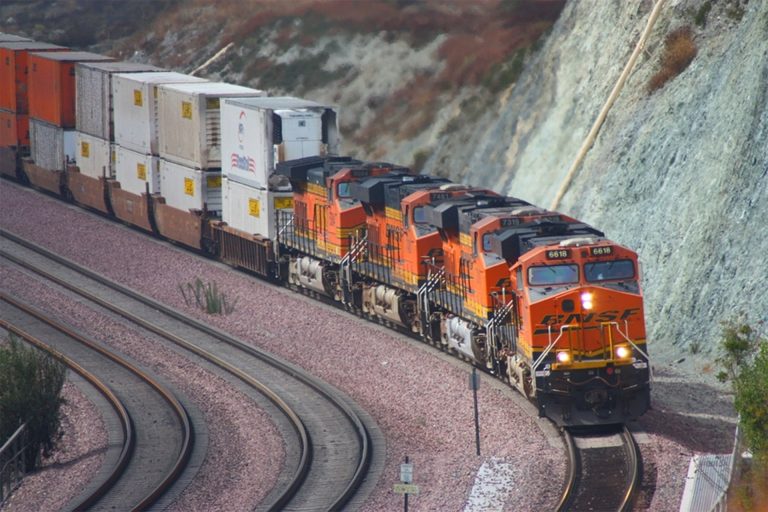
Rail Freight Prices: Complete Guide to Costs, Savings, and How Rail Compares to Trucking
Understanding rail freight prices is essential for shippers who need reliable, cost‑effective transportation for long‑distance or high‑volume freight. For that reason, rail remains one of the most economical ways to move heavy, dense cargo across the U.S. For instance, if you’re used to truckload or LTL quotes.
How Rail Freight Prices Are Calculated
1. Linehaul Rate
Firstly, this is the base price of transporting freight from origin rail yard to destination rail yard.
It’s influenced by:
Total mileage
Rail carrier network efficiency
Whether the lane requires interchange between railroads
2. Fuel Surcharge (FSC)
Rail FSC is generally:
Lower than truckload FSC
More stable
Tied to DOE rail fuel index formulas
3. Equipment Type Charges
Intermodal containers (53’ COFC)
Boxcars for general cargo
4. Accessorials
Common accessorial charges:
Storage/demurrage
Detention
Weight surcharge
5. Drayage Costs
Drayage = local trucking from:
Shipper → rail ramp
Rail ramp → receiver
In many cases, drayage is the largest cost after linehaul.
Primarily, rail freight is most effective on long‑distance corridors. In fact, many shippers compare truckload and intermodal pricing for cross‑country lanes such as California to Florida. Naturally, rail often becomes the cheapest option for shippers seeking coast‑to‑coast efficiency.
Ready to Compare Rail Freight Prices to Truckload?
Our team can help you find the most cost‑effective solution for long‑distance shipping.
👉 Get a custom rail or intermodal rate quote today.