Freight Class for Machinery: How It Works and When It Doesn’t Matter
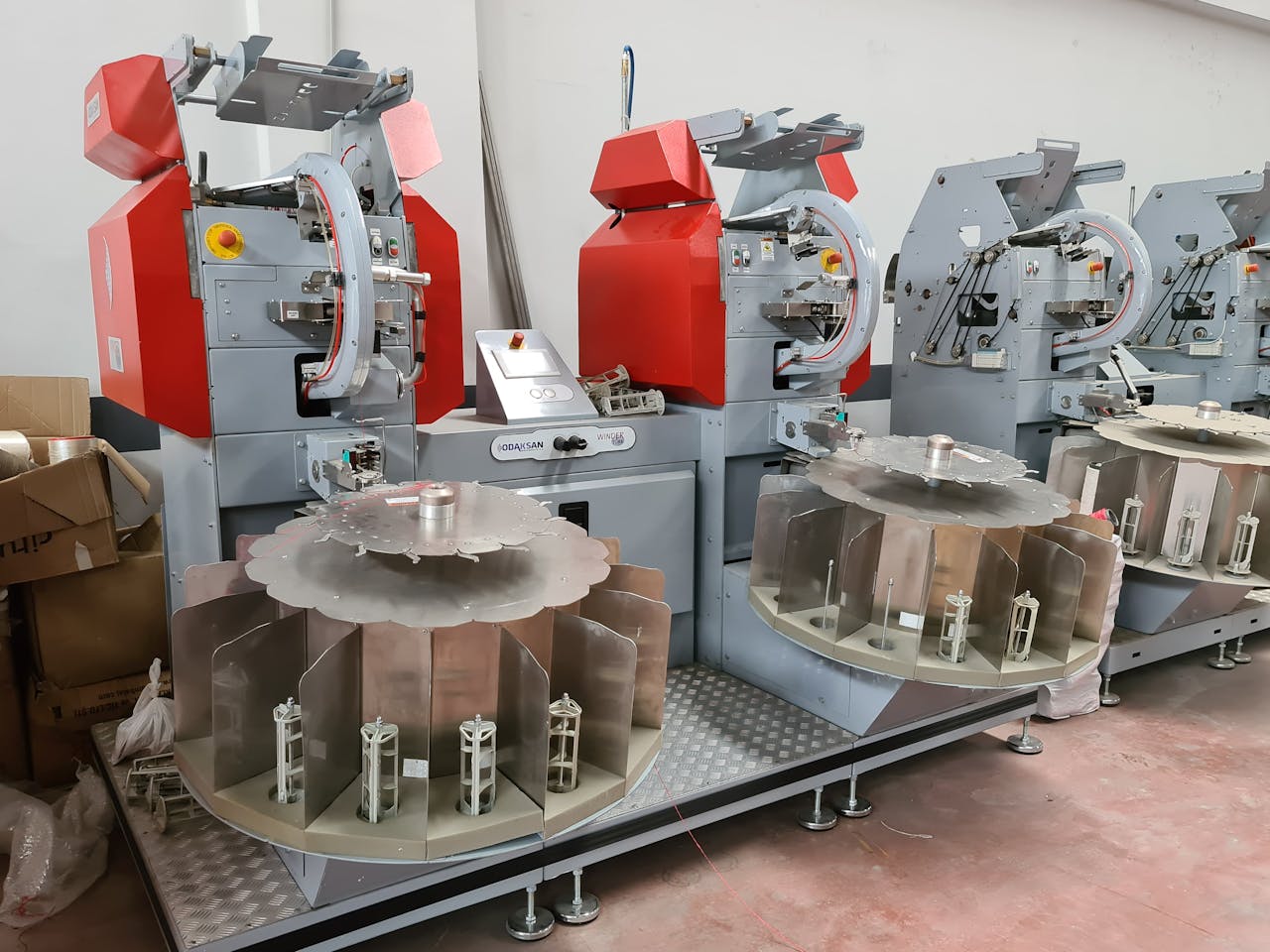
Shipping machinery is different from shipping boxed or palletized goods. Machinery varies in size, weight, and packaging. Because of that, it often falls into a wide range of freight classes. Understanding how freight class for machinery works can help you avoid re‑class fees, chargebacks, and unexpected shipping costs.
Below is a simple guide to help you understand machinery freight classes and when your shipment may qualify for linear‑foot pricing instead of freight class.
Why Machinery Has Different Freight Classes
Machinery is a density-based item, meaning its freight class depends on how much space it occupies compared with its weight. The most important factors include:
Total weight
Dimensions
Packaging or crating
Handling requirements
Liability or damage risk
Most machinery ships between Class 70 and Class 400. Higher density typically results in a lower, cheaper freight class. Lower density or oversized pieces will fall into higher classes.
Examples
A small, crated piece of machinery with high density → Lower freight class
Large, irregular, or low‑density machinery → Higher freight class
Since machinery comes in all shapes and sizes, calculating density is the best way to estimate the correct class before booking.
When Freight Class Doesn’t Matter: Linear‑Foot Pricing
Not every shipment needs a freight class. Some carriers, especially regional carriers and owner‑operators, offer linear‑foot pricing instead of traditional LTL class-based rates.
What Is Linear‑Foot Pricing?
Carriers charge based on:
The amount of trailer space your machinery uses
The pickup and delivery locations
Equipment type (flatbed, step‑deck, hotshot)
Transit time requirements
With this method, freight class does not affect the price.
When Linear‑Foot Pricing Helps
Linear‑foot pricing is ideal when:
Your machinery is large or oddly shaped
The density is difficult to calculate
Your freight class would be very high
You want predictable pricing upfront
Your shipment needs open‑deck equipment
Many machinery shippers choose this option because it eliminates class disputes and prevents re‑class fees.
Choosing the Right Shipping Method for Machinery
Here’s a quick guide:
Shipment Type
Best Option
Dense, crated machinery on standard pallets
LTL with density-based freight class
Oversized or bulky equipment
Linear‑foot pricing with regional carriers or owner-operators
Equipment requiring open-deck trailers
Flatbed, step‑deck, or hotshot
High-value or sensitive machinery
Specialized machinery movers
If your freight doesn’t fit neatly into an LTL category, open‑deck or linear‑foot pricing can offer better value and fewer complications.
Tips to Get the Best Machinery Freight Rate
You can save money and avoid issues by following a few best practices: