Full Truckload Shipping | National Freight Transport
Full Truckload (FTL) Shipping
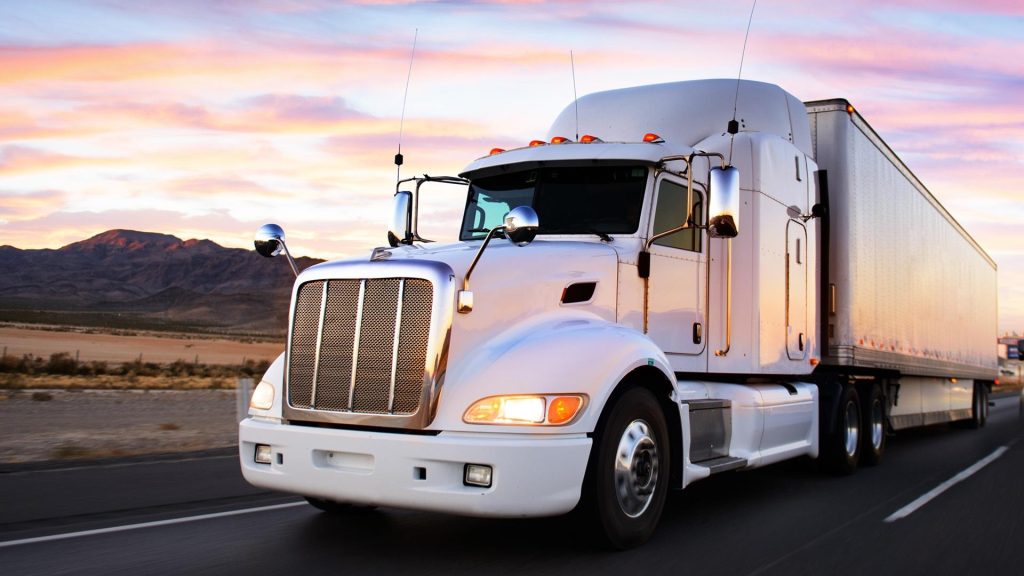
Full truckload (FTL) shipping uses an entire tractor‑trailer for one shipment.
With full truckload FTL shipping, your freight moves on a single truck from pickup to delivery without sharing space with other shippers. This makes FTL services ideal for large shipments, time‑sensitive freight, or high‑value cargo.
Manufacturers, wholesalers, and distributors commonly rely on full truckload shipping to move freight efficiently, reduce transit times, and maintain better control over their supply chain.
Is Full Truckload Shipping Right For Me?
Full truckload shipping (FTL) is the dedicated use of an entire tractor‑trailer to move a single shipment. This shipping method is ideal for businesses transporting large quantities of goods or managing a large shipment that requires exclusive trailer space. Therefore, since the truck is not shared, full truckload freight is commonly used for time‑sensitive, high‑volume, or expedited shipments.
Manufacturers, wholesalers, and distributors frequently rely on FTL services to move freight efficiently across regional and long‑haul lanes while maintaining tighter control over transit times.
Reliable Full Truckload (FTL) Services
Our FTL services provide dedicated capacity for businesses that need speed, reliability, and consistent delivery performance. Because the truck is assigned exclusively to your shipment, full truckload freight moves directly to its destination with fewer delays and minimal interruptions.
If your freight requires the full trailer or demands faster transit, full truckload FTL shipping is often the most efficient solution.
Is Full Truckload Shipping Right for Your Business?
Full truckload shipping is best suited for shippers moving a large shipment or shipping freight on a regular basis. To determine whether FTL services are the right fit, review your shipping volume, freight size, and delivery timelines. Below are some of the key benefits of shipping by the truckload.
Lower Overall Shipping Costs
For larger loads, full truckload shipping often results in lower total costs compared to sending multiple LTL shipments. One truck, one shipment, and one rate help simplify pricing and improve cost efficiency.
Faster Transit Times
Because your freight moves on a dedicated truck, full truckload FTL shipping offers faster transit times. This is especially important for tight delivery windows or expedited freight.
Minimal Freight Handling
With truckload shipping, freight is loaded once and unloaded once. Reduced handling lowers the risk of damage, minimizes delays, and helps protect sensitive or high‑value shipments.
Cargo Insurance Coverage
Most full truckload shipments include cargo liability coverage up to $100,000, providing additional protection during transit and added peace of mind.
What Is the Maximum Weight for a Full Truckload Shipment?
The maximum weight of a truckload varies. However, listed below is general guidelines.
Dry van trailers typically haul up to 45,000 pounds
Flatbed trailers can often carry slightly heavier freight, depending on the load and axle configuration
These limits make full truckload shipping ideal for heavy or dense freight that exceeds LTL weight restrictions.
How Many Pallets Fit in a Full Truckload?
A standard full truckload hauls up to 26 standard pallets, depending on pallet size and freight height.
Common pallet sizes include 48×40 and 48×48
A dry van trailer offers approximately 3,816 cubic feet of usable space
Some shipments may be double‑stacked to maximize capacity
A Cost‑Effective Solution for Large Shipments
Ultimately, full truckload FTL shipping provides a cost‑effective and efficient solution for moving large shipments. With dedicated equipment, faster transit times, reduced handling, and predictable pricing, FTL services help businesses move freight with confidence and consistency.
Why Businesses Choose Truckload Shipping for High‑Volume Freight
Truckload shipping remains the most reliable choice for shippers who move large volumes on a regular schedule. Companies value the simplicity and consistency of dedicating an entire trailer to one shipment. This approach reduces handling, minimizes transfer points, and helps freight arrive in better condition. Many shippers also prefer truckload because it offers predictable transit times and streamlined routing from pickup to delivery.
The Role of Equipment Types in Truckload Shipping
Truckload shipping supports several trailer configurations. Dry van trailers work best for general freight, palletized consumer goods, and packaged products. Refrigerated truckload solutions protect temperature‑sensitive items like food, pharmaceuticals, and beverages. Flatbed truckload options handle oversized, irregular, or heavy machinery that can’t load through a standard trailer. Each equipment type provides unique advantages, helping shippers match the right trailer to the freight profile.
Capacity Flexibility During Seasonal Surges
Seasonal demand swings can disrupt shipping schedules, but the truckload market offers flexible capacity solutions. Many carriers scale resources to support peak seasons like produce harvests, holiday retail surges, and construction cycles. Shippers often prefer truckload shipping during these periods because it offers consistent availability when other modes tighten. As capacity fluctuates throughout the year, strong carrier relationships help keep freight moving without interruption.
Truckload Shipping for Long‑Haul vs. Regional Freight
Regional truckload shipping focuses on shorter routes with faster delivery cycles, making it ideal for replenishment shipments or frequent customer deliveries. Long‑haul truckload shipping supports multi‑day transit for freight moving across multiple states. Both service types provide strong value, but long‑haul strategies require careful planning to manage driver hours, fuel costs, and equipment availability. Businesses that ship nationally often use a mix of the two.
Why Partnering With a Reliable Truckload Carrier Matters
Strong communication and dependable service define successful truckload shipping. Shippers need consistent pickup performance, accurate transit estimates, and rapid updates when conditions change. Working with an experienced carrier ensures access to quality equipment, trained drivers, and responsive support teams. A reliable partner also helps navigate capacity constraints, seasonal volatility, and routing challenges, ensuring freight arrives on schedule every time.
Get A Competitive Truckload Quote
Need dependable truckload shipping you can count on? Connect with our team and secure guaranteed capacity for your next shipment.