Trailer Specifications
- Home
- Trailer Specifications
TRAILER
Trailer Specifications
Trailer Specifications
Understanding commercial trailer specifications is essential for shippers who want to choose the right equipment, maximize capacity, and avoid costly freight delays. Each trailer type—dry van, flatbed, and refrigerated—comes with specific dimensions, weight limits, and performance features that determine how freight can be loaded, secured, and transported. By reviewing accurate trailer specifications before booking a shipment, businesses can confirm compatibility with their products, comply with DOT regulations, and improve overall supply chain efficiency. Whether you’re moving general goods, heavy machinery, or temperature‑sensitive cargo, knowing the key details behind commercial trailer specifications helps ensure safer, smarter, and more cost‑effective shipping decisions.
Dryvan
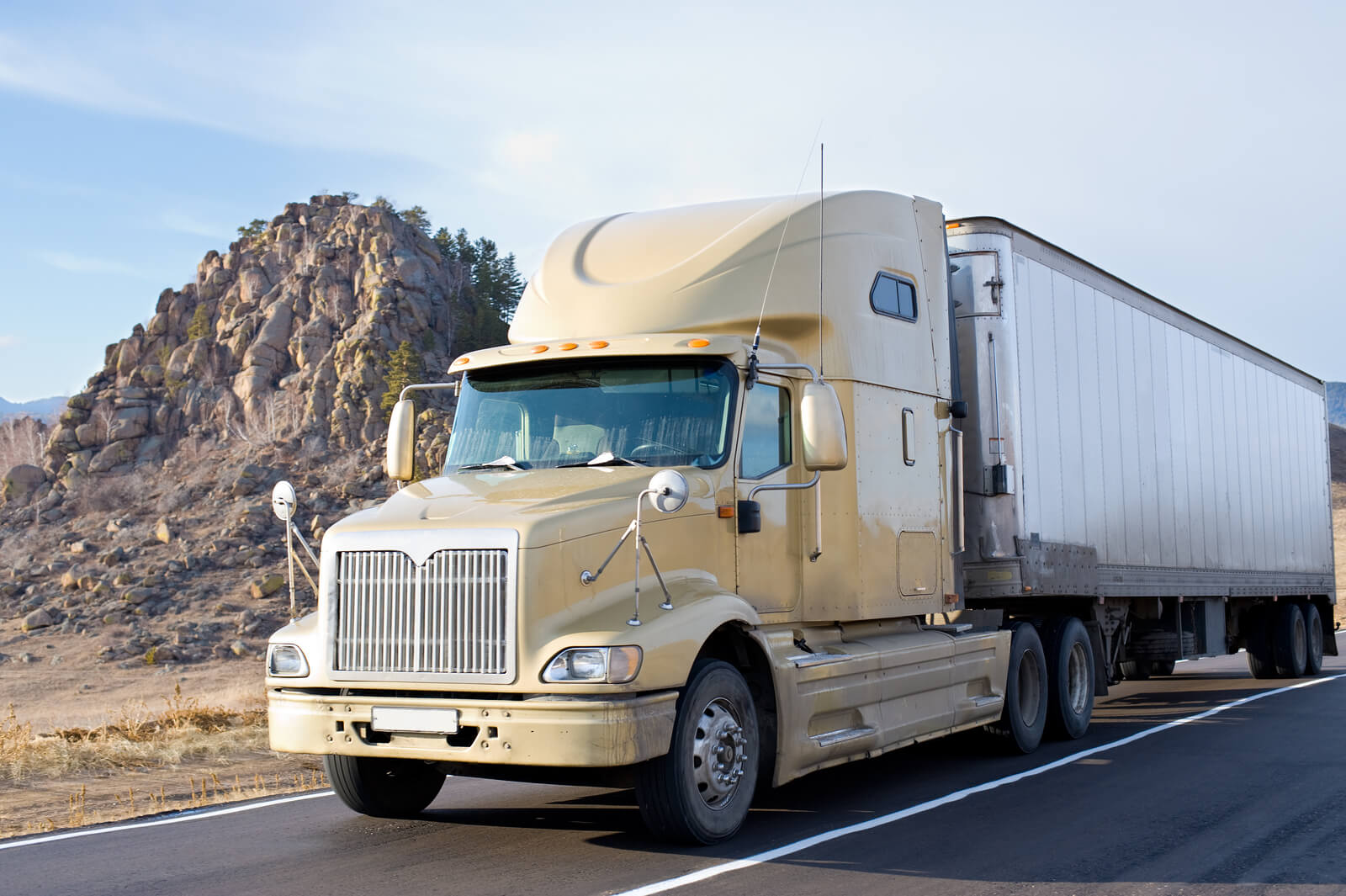
An 18‑wheeler dry van offers a simple and reliable way to move general freight. Dry vans provide full protection from weather, debris, and road conditions. Because most measure 53 feet in length, shippers can load large volumes with ease. Additionally, these trailers usually carry up to 45,000 pounds, depending on the tractor setup. As a result, businesses rely on dry vans for consumer goods, packaged products, and many everyday shipments. With secure walls and wide availability, dry vans deliver consistent performance across nearly every industry.
Flatbed
Flatbed 18‑wheelers support freight that needs open access and flexible loading. These trailers allow loading from the sides, top, or rear, which helps with oversized or irregular cargo. Most flatbeds run between 48 and 53 feet, offering strong capacity for heavy materials. Furthermore, many models handle around 48,000 pounds, though some can manage even more. Because of this versatility, shippers move steel, lumber, machinery, and construction freight with confidence. Flatbeds give teams the freedom to load quickly and secure freight with straps, chains, or tarps.
.
Reefer
Refrigerated 18‑wheelers protect temperature‑sensitive goods throughout the entire trip. Reefer trailers use built‑in cooling units that maintain exact temperature ranges from freezing to ambient levels. Standard models span 53 feet and carry around 42,000 to 44,000 pounds. Moreover, their insulated walls reduce heat transfer and preserve product freshness. Because of these features, shippers depend on reefers for food, pharmaceuticals, beverages, and high‑value perishables. With precise climate control, reefer trailers help companies maintain a safe and reliable cold chain.