Affordable freight shipping from Laredo to Chicago

Truckload vs LTL Shipping for Fulfillment Centers | Cut Freight Costs

Truckload vs LTL shipping for fulfillment centers is a decision many high‑volume shippers get wrong. If you’re shipping four or more pallets per week into fulfillment centers—especially on lanes under 500 miles—full truckload transportation may actually cost less than LTL while delivering faster transit, fewer damages, and better appointment performance.

Want a fast comparison of all three modes?

We’ll analyze your freight size, timeline, and lane to recommend LTL, PTL, or full truckload.

Get A Freight quote Now

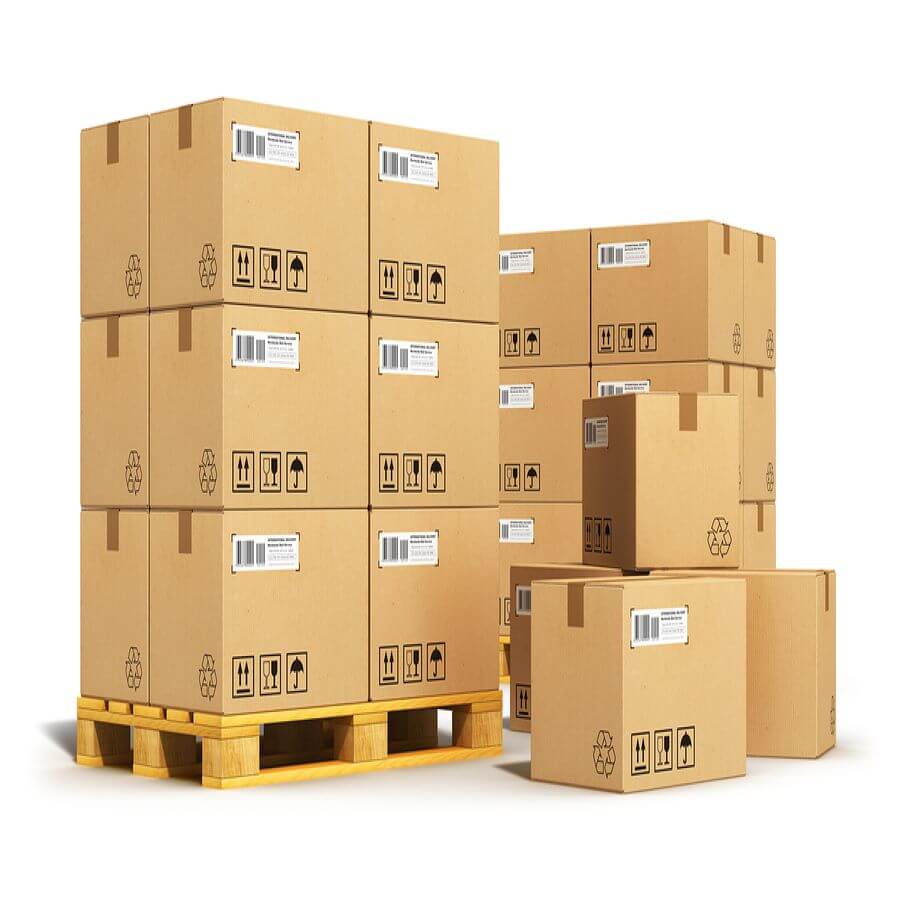
LTL Freight Quote for a pallet.

Why LTL Breaks Down for Frequent Fulfillment Center Shipments

LTL works best for infrequent, flexible deliveries. Fulfillment centers operate very differently.

Common issues LTL shippers face include:

  • Multiple terminal touches
  • Increased risk of damage and shortages
  • Strict FC appointment penalties
  • Re‑classification charges
  • Limited control over delivery timing

When you’re shipping 4+ pallets every week, those issues compound quickly.

Why Truckload Wins on Lanes Under 500 Miles

For regional lanes under 500 miles, truckload becomes especially attractive—even if you’re not filling the trailer.

Flat‑Rate Advantage

FTL pricing is flat, not class‑based.
You’re paying for the trailer, not each pallet.

This means:

  • No NMFC class disputes
  • No density penalties
  • No surprise re‑class invoices

When moving freight short distances, the cost per pallet often drops below LTL once you hit consistent volume.


Fewer Touches = Less Risk

With truckload shipping:

  • Your freight loads once
  • Moves direct
  • Delivers once

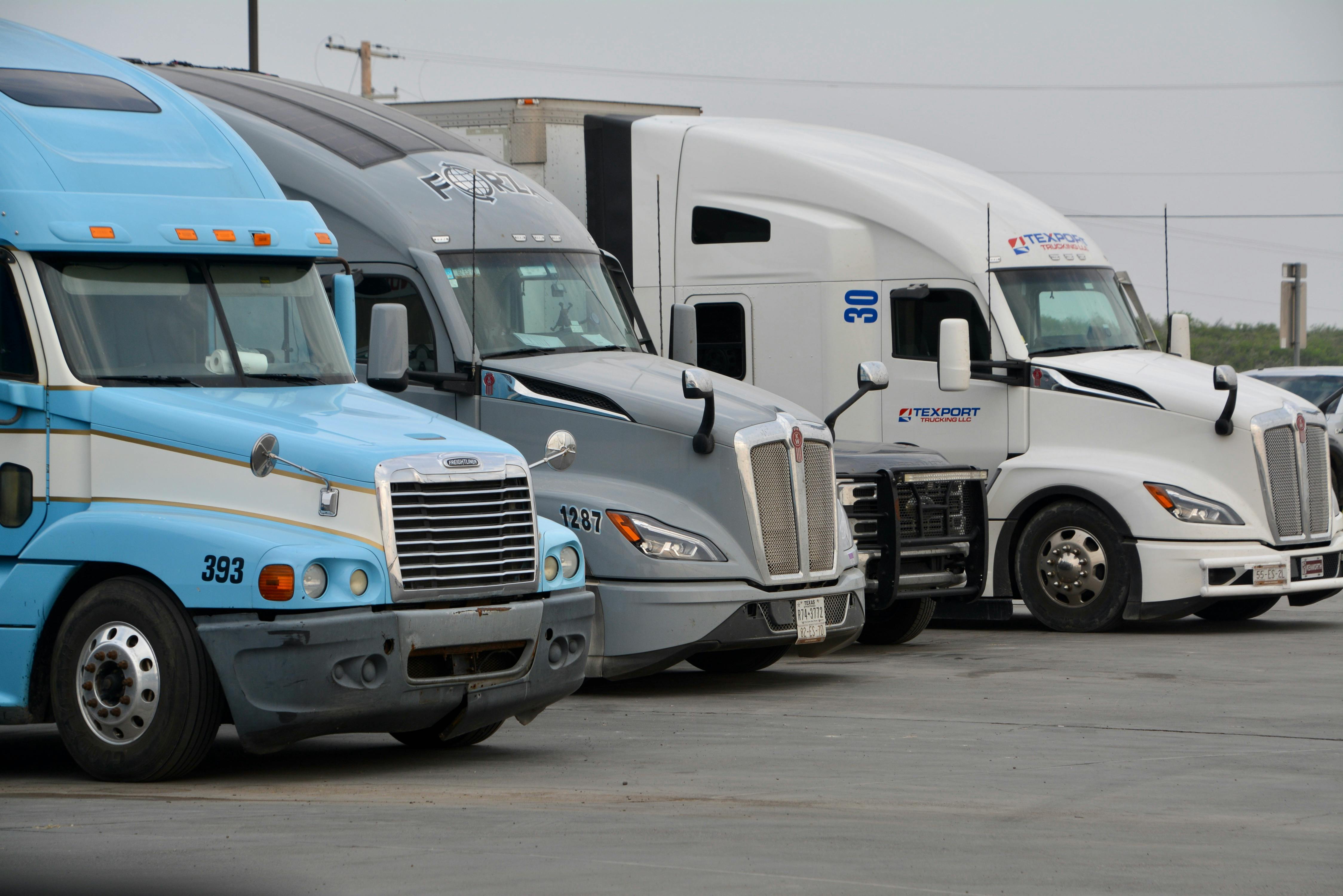
There are no terminals, no cross‑docks, and no consolidation delays—which dramatically reduces damage, loss, and claims.
Better Fulfillment Center Performance

Fulfillment centers strongly prefer truckload deliveries because:

  • Appointments are cleaner
  • Dock scheduling is easier
  • No mixed freight
  • Faster unload times

As a result:

  • Fewer chargebacks
  • Higher on‑time performance
  • Improved carrier scorecards

For retailers and 3PL‑operated FCs, this matters.

How Partial Truckload Still Beats LTL

Many shippers assume truckload only makes sense at 20–26 pallets. That’s not true.

If you ship:

  • 4–10 pallets weekly
  • Predictable freight
  • Same lane repeatedly

You’re often better off with:

These options combine LTL‑like volume with truckload‑level reliability.

When You Should Seriously Consider Switching to Truckload

Truckload is likely the better option if you meet three or more of the following conditions:

  • ✅ You ship 4+ pallets per week
  • ✅ Deliveries go to fulfillment centers or DCs
  • ✅ Lanes are under 500 miles
  • ✅ Freight is palletized and consistent
  • ✅ You’ve experienced LTL re‑class fees
  • ✅ Claims or damages are increasing
  • ✅ Appointments are being missed or rescheduled

At that point, LTL stops being “cheaper” in real‑world terms.

How We Help LTL Shippers Transition to Lower‑Cost Truckload

We specialize in helping LTL shippers:

  • Audit their weekly pallet flow
  • Compare true LTL vs FTL cost
  • Identify partial or dedicated truckload opportunities
  • Secure consistent regional capacity
  • Reduce total landed freight spend

In many cases, shippers save money without increasing shipment size, simply by changing the transport mode.

Get a Cost Comparison for Your Fulfillment Lane

If you’re shipping 4 or more pallets per week into fulfillment centers, don’t assume LTL is still your best option.

We’ll:

  • Compare your current LTL invoices
  • Price a truckload alternative
  • Show real savings (or confirm LTL is right)
  • Help you transition smoothly if it makes sense

👉 Request a truckload vs LTL cost comparison today