Why Flatbed Truck Shipping Matters in 2026
Flatbed shipping remains a backbone of the industrial supply chain. With manufacturing output rising and construction activity continuing across the U.S., demand for flatbed freight shipping is hitting new highs. Unlike dry van freight, flatbeds offer unmatched flexibility for freight that:
- Doesn’t fit inside an enclosed trailer
- Requires side or crane loading
- Exceeds standard height or width limits
- Needs unique securement equipment
From steel beams to heavy machinery and building materials, flatbeds keep projects running and supply chains moving.
What You Can Haul With a Flatbed Trailer
Because flatbeds have an open deck, they are ideal for freight that is heavy, long, tall, or irregularly shaped. Shippers commonly use flatbeds to move:
- Lumber, trusses, and construction materials
- Steel coils, plate steel, pipe, and metals
- Industrial machinery and manufacturing equipment
- Oversized crates and skids
- Concrete components
- Agriculture and energy industry equipment
This versatility is one reason more shippers search for flatbed companies near me as their freight mix evolves.
Add Your Heading Text Here
Flatbed Trailer Types Used in Today’s Market
Choosing the right trailer affects price, safety, and transit time. Here are the most common equipment options in 2026:
1. Standard Flatbed (48′ or 53′)
The most widely used open‑deck trailer
- Handles up to 48,000 lbs
- Ideal for palletized, bundled, or strapped freight
2. Step‑Deck (Drop Deck)
Allows taller cargo without oversize permits
- Upper and lower deck
- Perfect for machinery and tall crated shipments
3. Double Drop / Lowboy
Used for extremely tall or heavy freight
- Often paired with heavy‑haul tractors
- Designed for construction and mining equipment
4. Conestoga Flatbed
A flatbed with a sliding tarp system
- Provides weather protection
- Helps with freight that cannot be tarped by hand
The correct trailer ensures safety and prevents costly violations or delays.
Flatbed Freight Rates in 2026: What Shippers Should Expect
Flatbed pricing is more dynamic than dry van or reefer, influenced heavily by the industries it serves. Expect the following factors to shape flatbed freight rates in 2026:
1. Fuel Costs
One of the biggest price influencers. Flatbeds often haul heavier freight, which burns more fuel.
2. Seasonal Demand
Construction, agriculture, and energy are seasonal, creating capacity surges.
3. Specialized Equipment
Step‑decks, Conestogas, and lowboys cost more to operate and command higher rates.
4. Permits and Escorts
Oversize freight requires:
- State permits
- Route planning
- Pilot cars (when needed)
These add to total shipping cost.
5. Regional Market Pressure
Rates differ widely by region. The Midwest and Southeast, for example, see flatter pricing while oil markets like Texas can spike significantly.
Understanding these pricing factors helps shippers budget smarter and negotiate more effectively with carriers.
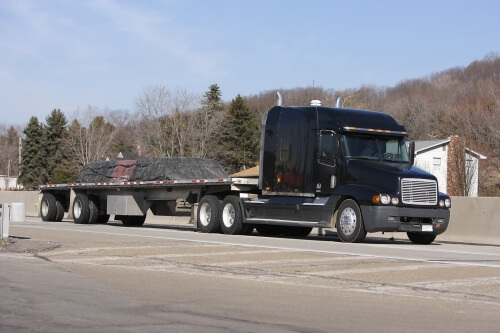
Finding the Best Flatbed Companies Near Me
Not all carriers or brokers specialize in flatbed freight. When searching for flatbed companies near me, look for partners that understand equipment, securement rules, and DOT regulations.
What to Look For:
- Proven experience with your type of freight
- Knowledge of chains, straps, edge protectors, coil racks, and tarping
- Safety scores and compliance history
- Strong insurance coverage
- Transparent pricing with no hidden fees
- Nationwide capacity for both local and long‑haul shipments
A specialized provider ensures your freight stays safe, legal, and damage‑free.
Trends Driving Flatbed Shipping in 2026
Here’s what’s shaping the flatbed landscape this year:
✔ Growth in Manufacturing Output
More industrial production increases demand for open‑deck carriers.
✔ Infrastructure & Construction Expansion
Government‑funded projects continue to spike demand for steel, concrete, and building materials.
✔ Rise in Specialized Hauling
More oversized freight means more step‑deck and lowboy demand.
✔ Technology & Visibility Tools
Digital freight matching and real‑time tracking are becoming the norm for flatbed logistics.
✔ Tightening Driver Capacity
Flatbed CDL drivers require additional training, making capacity harder to secure during peak seasons.
Shippers that plan ahead — and work with experienced flatbed carriers — will secure better rates and higher reliability.