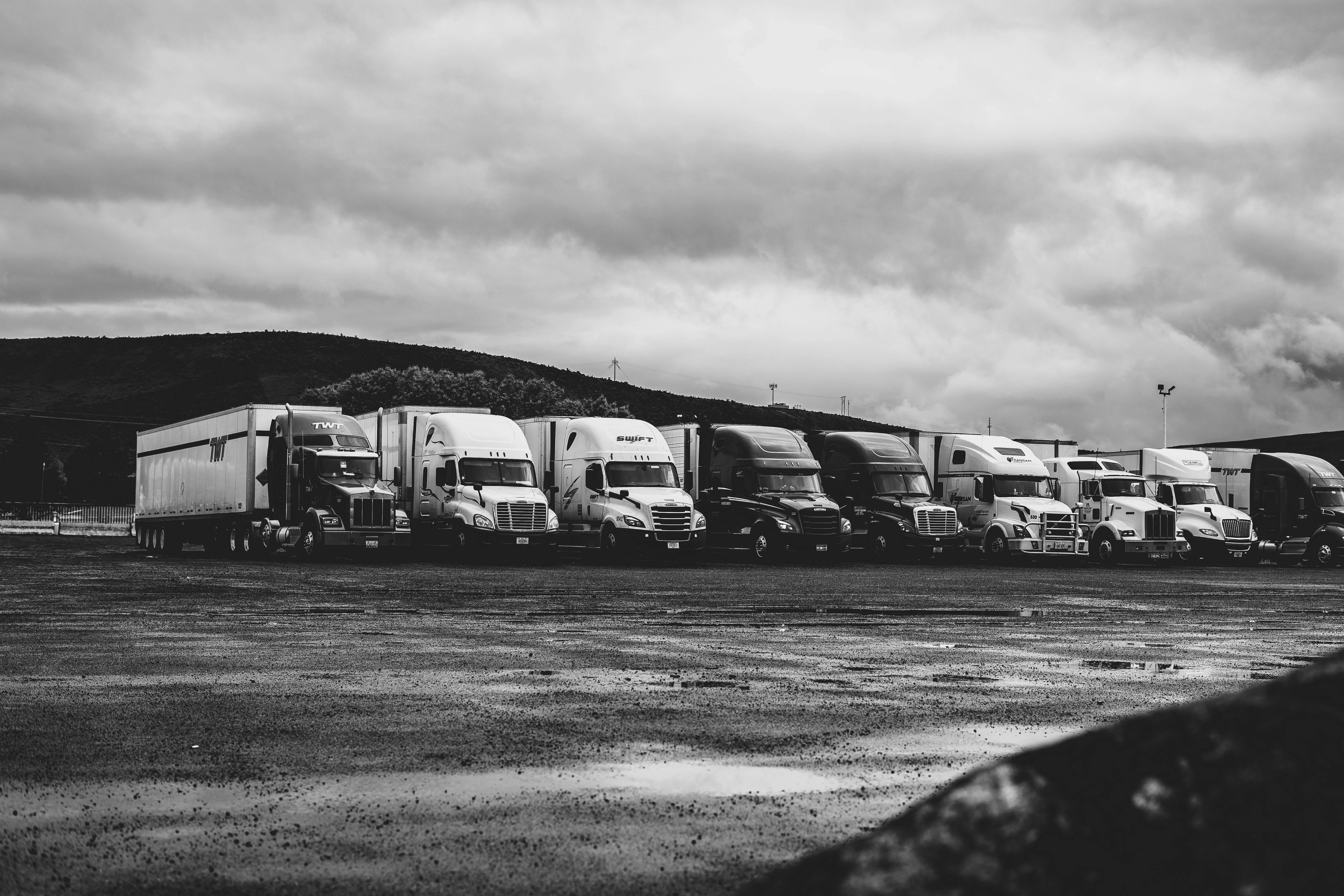
Regional freight carriers parked

Regional Freight Carriers vs National | Pros, Cons & FTL Guide

When choosing how to move freight, many shippers compare regional freight carriers with larger national carriers. But the differences go beyond coverage areas — they affect pricing, transit time, damage rates, and FTL efficiency.

Below is a clear breakdown of what regional freight carriers are, how they work, the benefits and drawbacks, and why even national carriers rely on regional carriers for rural or low‑density deliveries.

Regional freight carriers parked

What Are Regional Freight Carriers?

Regional freight carriers operate within a specific group of states, providing tight coverage, faster transit times, and deep local expertise.

Typical Regional Carrier Benefits:

  • Dense service within their territory
  • Fewer terminal handoffs
  • Faster FTL and LTL transit times
  • Lower claim ratios
  • Better rural and small‑town reach
  • Consistent driver familiarity with the region

Regional carriers excel in short‑ to mid‑distance FTL and dense regional LTL.

What Are National Freight Carriers?

National carriers serve the entire U.S. They operate long-haul routes, intermodal networks, and multi‑terminal systems.

Typical National Carrier Benefits:

  • 48‑state coverage
  • Larger fleets and more equipment types
  • Strong long‑haul FTL capabilities
  • Better tech integrations
  • More multimodal options (rail, intermodal)

National carriers are ideal when freight needs to travel far and cross multiple regions.

Pros and Cons of Regional Freight Carriers

Pros

1. Faster and More Reliable Transit (Especially for FTL)
Regional carriers have shorter linehauls and fewer breakbulks. FTL moves are typically more direct.

2. Lower Damage Rates
With fewer touches, regional LTL and partials experience fewer claims.

3. Superior Coverage in Their Home Territory
Great for rural towns, secondary markets, and remote delivery points.

4. Better Customer Service
Smaller service area = tighter communication and better shipment visibility.

❌ Cons

1. Limited Coverage Area
Your freight must stay inside their region.

2. Interline Requirements for Long Distance
If freight moves outside of their territory, it must interline to another carrier.

3. Not Ideal for Coast‑to‑Coast Freight
They are strong regionally but not designed for national networks.

Pros and Cons of National Carriers

Pros

  • Broad coverage across the entire U.S.
  • Strong long‑haul FTL options
  • Access to intermodal & rail optimization
  • Larger capacity during peak seasons

❌ Cons


  • More freight handling → slower transit & higher damage risk


  • Less flexibility in small or rural markets


  • Regional delays impact the entire network


How National Carriers Rely on Regional Carriers

Many shippers assume national carriers cover every inch of the country themselves — but that’s not the case.

National carriers frequently depend on regional freight carriers for:

  • Rural LTL deliveries
  • Small‑town final‑mile coverage
  • Out‑of-network pickups
  • Low‑density lanes
  • Overflow FTL capacity in peak season

This partnership is known as an interline service, where freight transfers from one carrier to another for the final portion of the route.

Why this matters to shippers:

  • Transit times may depend on regional carrier schedules
  • Freight may be handled by multiple carriers even if you booked with one
  • Regional partners often provide the actual FTL truck for pickup or delivery

Even the biggest national brands rely on regional networks to keep service levels high.

How FTL Shippers Benefit From Regional Freight Carriers

FTL customers often see some of the biggest advantages:

1. Direct, Same‑Truck Service

Regional carriers excel at direct FTL moves within their area — fewer transfers, straighter routes.

2. Faster Pickup Scheduling

Regional carriers can often secure same‑day or next‑day FTL capacity.

3. Lower FTL Rates on Short‑Haul and Mid‑Haul Lanes

Nationals often charge more for short distances. Regionals specialize in them.

4. Better Performance on Rural or Hard‑to‑Reach Stops

Nationals frequently use regionals anyway — using them directly removes the middle step.

So Which Is Better — Regional or National?

Choose a Regional Freight Carrier if:

  • Your freight stays within a defined region
  • You want faster transit times
  • You need flexible FTL capacity
  • Rural deliveries are part of your network
  • You want lower LTL damage rates

Choose a National Freight Carrier if:

The Smartest Option for Most Shippers: A Freight Broker Managing Both

A freight broker brings both worlds together:

How brokers help:

  • Access to regional, super‑regional, and national carriers
  • FTL optimization across territory size & lane patterns
  • LTL routing that blends regional + national carriers efficiently
  • Instant capacity across all regions
  • One point of contact, one invoice, one system

Most shippers don’t need to choose between carriers — they need someone who knows when to use each.

Move Your Freight With the Right Carrier — Every Time

Whether your shipment needs a regional specialist, a national carrier, or a fast FTL solution, we match your freight with the best option for your lane and budget. 👉 Get a Fast, Accurate Freight Quote Now Reliable carriers. Better pricing. Real customer service.