Quick Definitions
- LTL (Less‑Than‑Truckload) – You pay for a portion of trailer capacity in a hub‑and‑spoke network. Best for 1–5 pallets and small freight.
- PTL (Partial Truckload) – You buy a larger share of trailer space on limited‑stop routes (often 6–14 pallets or ~6–18 linear feet). Fewer terminals than LTL.
- FTL (Full Truckload) – You reserve the entire trailer for direct, no‑touch service. Best for high volume, fragile, or urgent freight.
Side‑by‑Side Comparison
| Factor | LTL | PTL (Partial) | FTL (Full Truckload) |
|---|---|---|---|
| Typical Size | 1–5 pallets | 6–14 pallets (6–18 LF) | 24–30 pallets / full trailer |
| Handling | Many touchpoints, cross‑docks | Few touchpoints | No touchpoints |
| Transit Time | Slower/pooled | Faster than LTL | Fastest, direct |
| Pricing Basis | Class, weight, distance, accessorials | Linear feet + weight + lane (often class‑flexible) | Lane, market, equipment, fuel |
| Best For | Smaller, boxed freight; wide coverage | Mid‑size freight; lower damage risk than LTL | Large volume, fragile, time‑critical |
| Pros | Cheapest for small shipments; frequent service | Balance of cost/speed; fewer claims | Control, speed, no sharing |
| Cons | Reclass/cubic fees; higher damage risk | Capacity can be limited; needs planning | Most expensive when under‑utilized |
When to Use LTL, PTL, or FTL (Rules of Thumb)
Use these fast checks to pick a mode:
- Choose LTL when you have 1–5 pallets, standard sizes, and you’re optimizing for lowest cost over speed.
- Choose PTL when you have ~6–14 pallets, 6–18 linear feet, dense or irregular freight, and want fewer touchpoints than LTL.
- Choose FTL when your freight fills the trailer, is fragile/high‑value, or must deliver fast with direct service.
Short‑haul tip: For regional lanes, 6+ pallets often price better and move faster as PTL or dedicated short‑haul TL than as LTL.
PTL vs LTL: The Mid‑Size Freight Decision
Why shippers move from LTL to PTL:
- Avoid reclass/cubic minimum surprises
- Reduce damage risk with fewer handoffs
- Improve transit on time‑sensitive shipments
- Simplify pricing for dense/irregular freight that doesn’t class well
Choose PTL over LTL if:
- You’re consistently shipping 6+ pallets
- Your freight is heavy, dense, or crated machinery
- LTL quotes show oversize or cubic minimum charges
- You’ve had damage/claims in traditional LTL
PTL vs FTL: When Partial Beats Full
PTL can undercut FTL when:
- You don’t need the entire trailer
- The lane allows co‑loading or multi‑stop routing without major detours
- You’re flexible by a day on pickup or delivery
However, FTL wins when:
- Freight is fragile/high‑value or requires total control
- You need exact appointment times and no sharing
- You’re near full utilization (e.g., 18–22 pallets that won’t stack)
Real‑World Examples
Example 1: 8 Pallets, 10,000 lb, 12 Linear Feet (Regional Lane)
- LTL: Priced high due to cubic minimum + multiple terminals
- PTL: Fewer touches, faster, usually lower total cost
- FTL: Overkill unless you need timing control
Example 2: 22 Pallets, 28,000 lb (Long Haul)
- LTL: Not viable
- PTL: Borderline — capacity may be tight and cost close to TL
- FTL: Best choice (dedicated, direct, predictable)
Example 3: 4 Pallets, 2,500 lb (Cross‑Country)
- LTL: Best value with broad coverage
- PTL: Not necessary
- FTL: Too expensive unless handling/speed demands it
How Pricing Works (By Mode)
- LTL: NMFC class + weight + distance + accessorials. Watch for reclass, oversize, cubic minimums, and limited‑access fees.
- PTL: Linear feet + weight + lane demand. Often class‑flexible, fewer accessorials, reduced handling.
- FTL: Market spot/contract rate based on origin–destination, equipment type (dry van, reefer, flatbed), fuel, and availability.
Pro Tip: If your LTL quote looks high due to oversize/cubic rules, ask for a PTL comparison. If your PTL is close to FTL cost and timing is critical, consider FTL for direct control.
Packaging & Handling Considerations
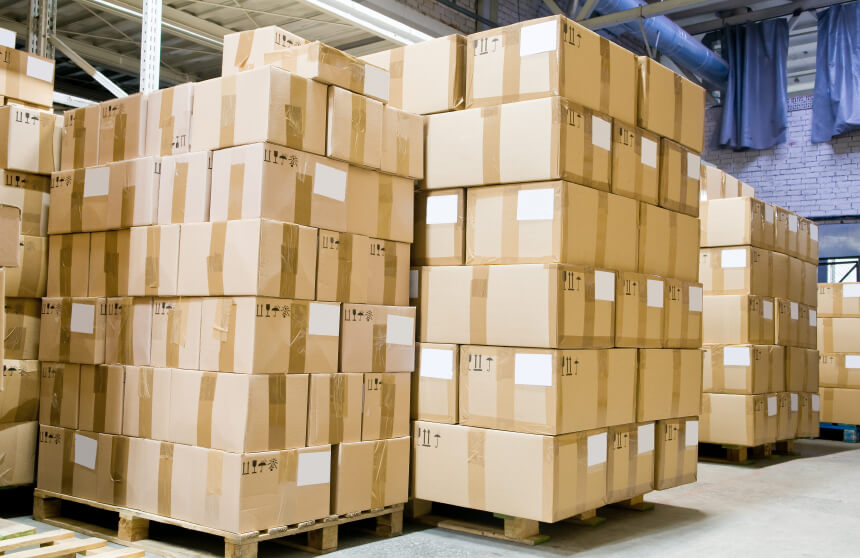
- LTL: Use strong pallets/crates; protect edges; shrink‑wrap; consider corner boards. Expect multiple touchpoints.
- PTL: Band/crate heavy items (e.g., engines, machinery). Fewer touches reduce risk, but securement still matters.
- FTL: You control loading; add blocking/bracing for fragile/high‑value freight.
Frequently Asked Questions (FAQ)
Q: How many pallets qualify for PTL?
A: Often 6–14 pallets or 6–18 linear feet. It varies by carrier, freight type, and stackability.
Q: Is PTL cheaper than LTL?
A: Frequently for 6+ pallets, especially on short‑to‑mid lanes or when LTL imposes cubic minimums or oversize fees.
Q: Do I need a freight class for PTL?
A: Many PTL quotes are space/weight‑based, but some carriers may still request a class for consistency.
Q: When is FTL the best option?
A: When you need direct control, have fragile/high‑value freight, or your freight nearly fills a trailer.