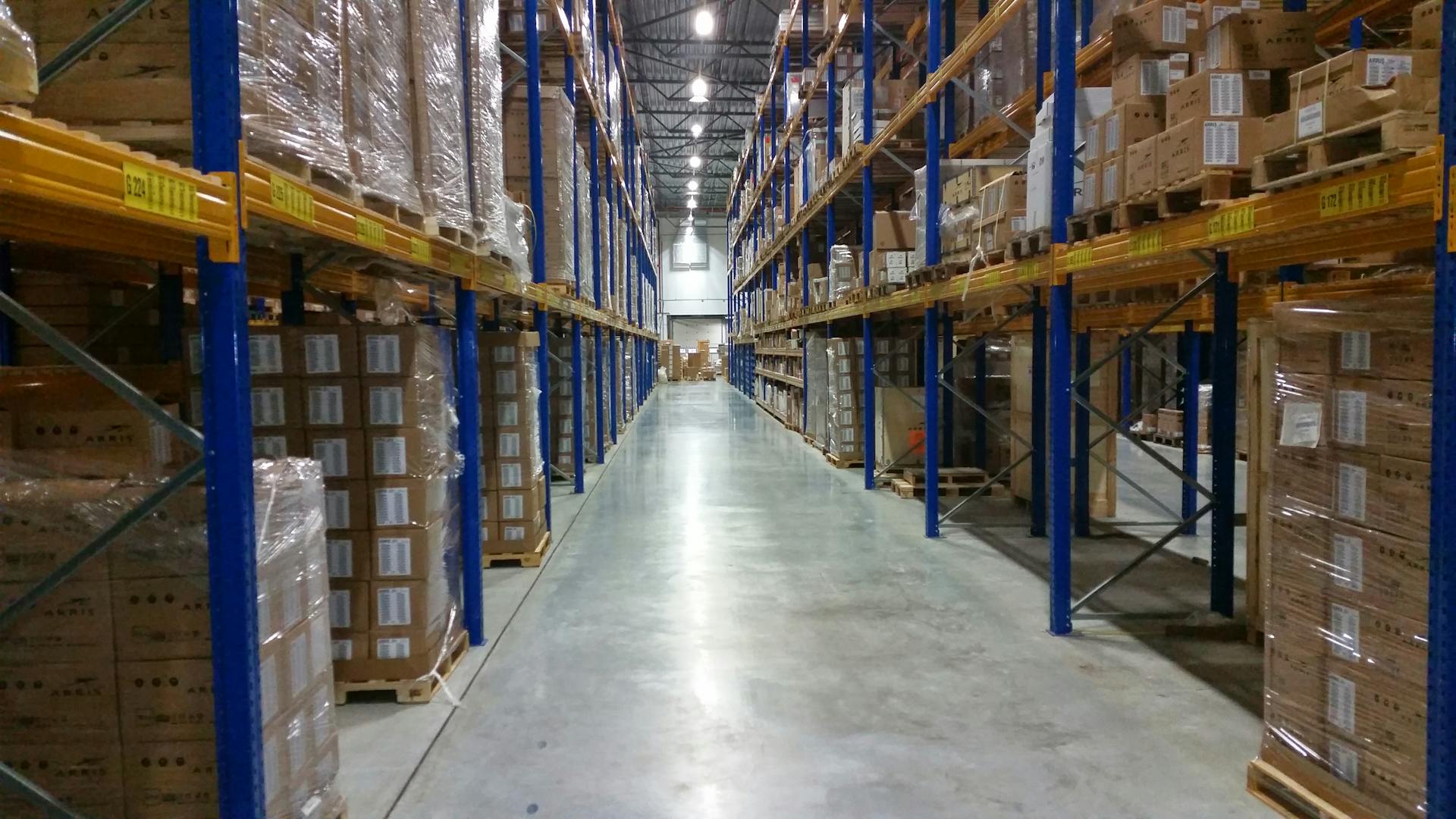
Boxes with clothes on racks

Common Freight That Moves as Partial Truckload (PTL Guide)

When shippers search for the common freight that moves as partial truckload, they want to know which shipments qualify for PTL and why certain freight types perform better in this mode. Because common freight that moves as partial truckload usually falls between 6–14 pallets and 6–18 linear feet, these mid‑size shipments benefit from fewer touchpoints, predictable pricing, and faster transit times compared to traditional LTL networks.

1. Machinery & Industrial Equipment

Machinery, auto parts, building materials, packaging products, and retail inventory are among the most common freight that moves as partial truckload because these categories often fall into the 6–14 pallet range. They’re also typically heavy, dense, or non‑stackable — characteristics that make PTL the most logical and cost‑effective option.

  • Heavy
  • Non‑stackable
  • Often crated or strapped
  • High‑value and sensitive to handling

Why machinery fits PTL

  • LTL class is often very high, raising costs
  • LTL cross‑docking increases damage risk
  • PTL pricing is based on space + weight, not NMFC class

  • Fewer touchpoints = safer delivery

Examples: CNC machines, compressors, HVAC units, generators, industrial pumps.

Best candidates:

  • Engines
  • Transmissions
  • Drivetrains
  • Differentials
  • Bulk wheels/tires
  • Oversized bumpers

Why PTL works well:

  • Heavy freight fits PTL weight ranges
  • Non‑stackable shapes trigger high LTL fees
  • PTL reduces touchpoints for high‑value components
Roofing materials can ship as PTL

Construction freight usually falls into the mid‑size category perfect for PTL.

Examples:

  • Lumber bundles
  • Drywall
  • Insulation pallets
  • Coils
  • Steel & aluminum
  • Roofing supplies

Why PTL is the better fit:

  • Predictable weight and dimensions
  • Fragile materials benefit from limited handling
  • Faster delivery for time‑sensitive construction schedules

If open‑deck equipment is needed, PTL also works on flatbed or step deck.

4. Packaging, Paper & Printing Products

Packaging materials are bulky and fill space quickly — making them strong PTL candidates.

Examples:

  • Corrugated boxes
  • Palletized cardboard
  • Paper rolls
  • Plastic packaging
  • Bulk labels

Why PTL is ideal:

  • Avoids LTL cubic minimums
  • Bulky/light loads use more LF than weight
  • Stackability allows efficient co‑loading

5. Furniture, Fixtures & Store Rollouts

Retail furniture and commercial fixtures are high‑value and easily damaged, making PTL safer than LTL.

Examples:

  • Office furniture
  • Restaurant equipment
  • Fitness machines
  • Hospitality furniture
  • Store fixtures

Why PTL wins:

  • Controlled loading
  • Minimal handling
  • Predictable arrival windows for rollouts

6. Food & Beverage

PTL is ideal for mid‑volume regional or long‑haul food shipments.

Examples:

  • Canned goods
  • Bottled beverages
  • Dry groceries
  • Snack pallets

7. E‑commerce, Distribution & 3PL Replenishment

Bulk pallet shipments often sit in the “6–14 pallet” range—perfect for PTL.

Examples:

  • Mixed‑SKU pallets
  • Seasonal replenishment
  • Retail restocks
  • Amazon FBA palletized shipments

Why PTL works:

  • Faster than LTL
  • Better appointment delivery compliance
  • Ideal for scheduled rollouts

8. Oversized or “Odd‑Sized” Freight

If freight doesn’t neatly fit LTL dimensions, PTL becomes the preferred mode.

Examples:

  • Crated freight
  • Long pallets
  • Panel materials
  • Large cartons
  • Bundled goods

Why PTL accepts odd freight:

  • Flexible loading
  • No class‑based penalties
  • Safer handling for irregular shapes

When NOT to Use PTL

Choose LTL when:

  • You have 1–5 pallets
  • Freight is light and stackable
  • You want the cheapest small‑shipment option

Choose FTL when:

  • You have 20–30 pallets
  • Freight is fragile or high‑value
  • You require exact pickup and delivery windows

 
  • partial truckload shipping services


  • PTL for machinery 
 
  • PTL for auto parts 


Wondering if your shipment fits partial truckload?

Get a fast comparison across LTL, PTL, and full truckload to find the best pricing and fastest transit. 👉 Request Your Partial Truckload Quote Today