Partial Truckload vs LTL

PTL vs LTL vs FTL: Which Shipping Mode Fits Your Freight?

Choosing between Partial Truckload (PTL), Less‑Than‑Truckload (LTL), and Full Truckload (FTL) can make or break your shipping cost, transit time, and damage risk. This guide breaks down the differences, shows real‑world examples, and gives you quick rules of thumb so you can select the right mode for every shipment.

Quick Definitions


  • LTL (Less‑Than‑Truckload) – You pay for a portion of trailer capacity in a hub‑and‑spoke network. Best for 1–5 pallets and small freight.


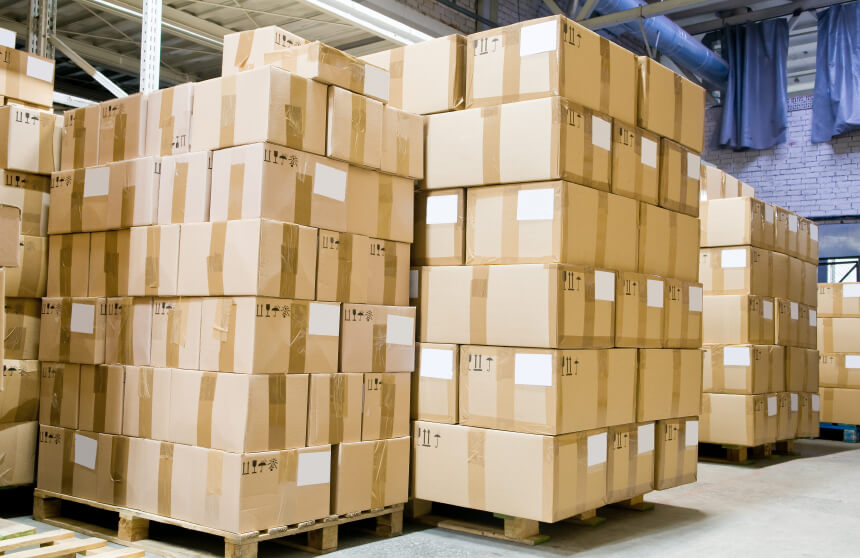
  • PTL (Partial Truckload) – You buy a larger share of trailer space on limited‑stop routes (often 6–14 pallets or ~6–18 linear feet). Fewer terminals than LTL.


  • FTL (Full Truckload) – You reserve the entire trailer for direct, no‑touch service. Best for high volume, fragile, or urgent freight.


Partial Truckload vs LTL

Side‑by‑Side Comparison

FactorLTLPTL (Partial)FTL (Full Truckload)
Typical Size1–5 pallets6–14 pallets (6–18 LF)24–30 pallets / full trailer
HandlingMany touchpoints, cross‑docksFew touchpointsNo touchpoints
Transit TimeSlower/pooledFaster than LTLFastest, direct
Pricing BasisClass, weight, distance, accessorialsLinear feet + weight + lane (often class‑flexible)Lane, market, equipment, fuel
Best ForSmaller, boxed freight; wide coverageMid‑size freight; lower damage risk than LTLLarge volume, fragile, time‑critical
ProsCheapest for small shipments; frequent serviceBalance of cost/speed; fewer claimsControl, speed, no sharing
ConsReclass/cubic fees; higher damage riskCapacity can be limited; needs planningMost expensive when under‑utilized

When to Use LTL, PTL, or FTL (Rules of Thumb)

Use these fast checks to pick a mode:

  • Choose LTL when you have 1–5 pallets, standard sizes, and you’re optimizing for lowest cost over speed.
  • Choose PTL when you have ~6–14 pallets, 6–18 linear feet, dense or irregular freight, and want fewer touchpoints than LTL.
  • Choose FTL when your freight fills the trailer, is fragile/high‑value, or must deliver fast with direct service.

Short‑haul tip: For regional lanes, 6+ pallets often price better and move faster as PTL or dedicated short‑haul TL than as LTL.

PTL vs LTL: The Mid‑Size Freight Decision

Why shippers move from LTL to PTL:

  • Avoid reclass/cubic minimum surprises
  • Reduce damage risk with fewer handoffs
  • Improve transit on time‑sensitive shipments
  • Simplify pricing for dense/irregular freight that doesn’t class well

Choose PTL over LTL if:

  • You’re consistently shipping 6+ pallets
  • Your freight is heavy, dense, or crated machinery
  • LTL quotes show oversize or cubic minimum charges
  • You’ve had damage/claims in traditional LTL

PTL vs FTL: When Partial Beats Full

PTL can undercut FTL when:

  • You don’t need the entire trailer
  • The lane allows co‑loading or multi‑stop routing without major detours
  • You’re flexible by a day on pickup or delivery

However, FTL wins when:

  • Freight is fragile/high‑value or requires total control
  • You need exact appointment times and no sharing
  • You’re near full utilization (e.g., 18–22 pallets that won’t stack)

Real‑World Examples

Example 1: 8 Pallets, 10,000 lb, 12 Linear Feet (Regional Lane)

  • LTL: Priced high due to cubic minimum + multiple terminals
  • PTL: Fewer touches, faster, usually lower total cost
  • FTL: Overkill unless you need timing control

Example 2: 22 Pallets, 28,000 lb (Long Haul)

  • LTL: Not viable
  • PTL: Borderline — capacity may be tight and cost close to TL
  • FTL: Best choice (dedicated, direct, predictable)

Example 3: 4 Pallets, 2,500 lb (Cross‑Country)

  • LTL: Best value with broad coverage
  • PTL: Not necessary
  • FTL: Too expensive unless handling/speed demands it

How Pricing Works (By Mode)

  • LTL: NMFC class + weight + distance + accessorials. Watch for reclass, oversize, cubic minimums, and limited‑access fees.
  • PTL: Linear feet + weight + lane demand. Often class‑flexible, fewer accessorials, reduced handling.
  • FTL: Market spot/contract rate based on origin–destination, equipment type (dry van, reefer, flatbed), fuel, and availability.

Pro Tip: If your LTL quote looks high due to oversize/cubic rules, ask for a PTL comparison. If your PTL is close to FTL cost and timing is critical, consider FTL for direct control.
Packaging & Handling Considerations


  • LTL: Use strong pallets/crates; protect edges; shrink‑wrap; consider corner boards. Expect multiple touchpoints.


  • PTL: Band/crate heavy items (e.g., engines, machinery). Fewer touches reduce risk, but securement still matters.


  • FTL: You control loading; add blocking/bracing for fragile/high‑value freight.


Frequently Asked Questions (FAQ)

Q: How many pallets qualify for PTL?
A: Often 6–14 pallets or 6–18 linear feet. It varies by carrier, freight type, and stackability.

Q: Is PTL cheaper than LTL?
A: Frequently for 6+ pallets, especially on short‑to‑mid lanes or when LTL imposes cubic minimums or oversize fees.

Q: Do I need a freight class for PTL?
A: Many PTL quotes are space/weight‑based, but some carriers may still request a class for consistency.

Q: When is FTL the best option?
A: When you need direct control, have fragile/high‑value freight, or your freight nearly fills a trailer.

Not sure if your shipment is LTL, PTL, or FTL?

We’ll compare all three and recommend the best price‑to‑speed‑to‑risk mix for your freight. 👉 Get a Mode Comparison & Quote